
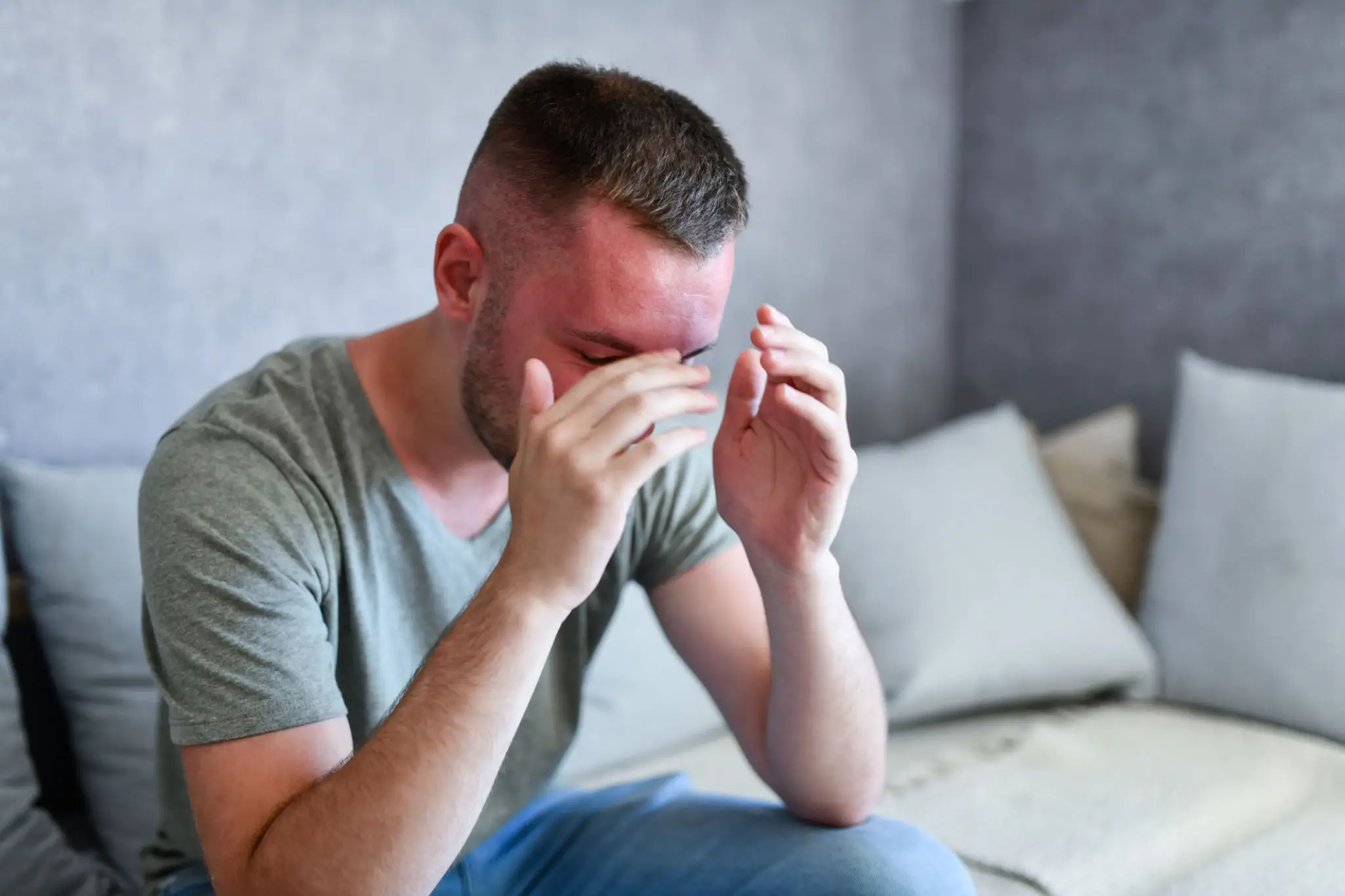
Mental Health Challenges for Male Survivors
Introduction
Domestic violence has profound effects on mental health, and male survivors face unique challenges that are often overlooked. Men experiencing abuse may develop depression, anxiety, post-traumatic stress disorder (PTSD), or other emotional difficulties. Societal expectations of stoicism and strength frequently discourage men from speaking out, creating barriers to support. Eugene Z. Bertrand combines personal experience with research-based strategies to help men navigate these challenges, providing resources, advocacy, and practical guidance for mental health recovery.
The Invisible Trauma
Psychological abuse can be subtle but devastating. Male survivors may experience belittling, gaslighting, manipulation, and threats, often leaving no visible marks. Because society tends to dismiss men as potential victims, these forms of abuse often go unrecognized. Survivors may internalize blame, leading to feelings of guilt, shame, and inadequacy. This “invisible trauma” is particularly damaging because it isolates men and discourages them from seeking help.
Barriers to Seeking Help
Several barriers prevent male survivors from accessing mental health support:
- Societal Expectations: Men are often conditioned to remain stoic, viewing help-seeking as weakness.
- Limited Resources: Few shelters, hotlines, or support groups are specifically designed for men.
- Fear of Disbelief: Male survivors worry that friends, family, or professionals will dismiss their experiences.
- Self-Blame: Internalized guilt can prevent men from acknowledging abuse and seeking assistance.
These barriers prolong suffering and increase risks for depression, substance misuse, and even suicidal thoughts.
Evidence-Based Interventions
Addressing mental health requires evidence-based approaches tailored to male survivors:
- Trauma-Informed Therapy: Clinicians trained to recognize and treat abuse-related trauma can help men process experiences safely.
- Peer Support Groups: Connecting with other male survivors validates experiences and reduces isolation.
- Teletherapy: Anonymous online sessions remove barriers related to stigma and geography.
- Psychoeducation: Learning about abuse patterns and coping strategies empowers men to recognize and respond to their situation.
These interventions foster emotional resilience and promote long-term recovery.
Eugene Z. Bertrand’s Integrative Approach
Bertand’s work blends personal experience with academic research, offering a multi-layered support system for male survivors. His programs include one-on-one coaching, webinars, public speaking, and written resources. He encourages redefining strength, framing vulnerability as a courageous act rather than a weakness. Bertand’s approach also emphasizes self-compassion, helping men develop daily habits that support mental well-being.
Building Resilience
Resilience is key to recovery. Practical strategies include:
- Mindfulness and Meditation: Reduces stress and anxiety while increasing emotional regulation.
- Journaling: Helps process feelings, track abuse patterns, and clarify goals.
- Community Engagement: Peer groups, advocacy participation, or volunteer work reinforce a sense of agency.
- Self-Care Routines: Exercise, nutrition, and sufficient rest support both physical and mental health.
By integrating these practices into daily life, male survivors can rebuild confidence, restore autonomy, and reduce the psychological impact of abuse.
Conclusion
Male survivors of domestic violence face distinct mental health challenges that are often minimized or ignored. Recognizing these challenges, removing societal stigma, and providing targeted resources are critical to recovery. Eugene Z. Bertrand’s evidence-based approach empowers men to seek help, process trauma, and develop resilience. By fostering understanding, education, and practical strategies, society can support male survivors in reclaiming their mental health and emotional well-being.
References
- American Psychological Association – https://www.apa.org
- National Alliance on Mental Illness – https://www.nami.org
- Domestic Violence & Sexual Assault Center – https://dvsacenter.org